November 12, 2026
Garage doors rely on a system of springs to help lift and lower their substantial weight safely and smoothly. These components experience repeated tension every time the door opens or closes, making them vulnerable to wear over time. When a spring fails, the door may become difficult to operate, move unevenly, or refuse to open at all. A broken garage door spring can happen unexpectedly, but several common factors contribute to spring damage and eventual failure. Understanding these causes can help homeowners recognize warning signs, arrange appropriate maintenance, and reduce the risk of unexpected disruptions. Age, frequent use, corrosion, poor maintenance, and incorrect spring sizing can all affect how long these components last. Although some early warning signs may be noticeable, springs can also break suddenly without much visible indication. Learning how these systems work and when to seek professional assistance can help homeowners maintain a safer and more reliable garage door.
Understanding Normal Spring Wear and Tear
Garage door springs are designed to handle repeated cycles of movement, but their ability to do so is not unlimited. Each opening and closing cycle places stress on the springs as they help counterbalance the door's weight. Over time, repeated loading and unloading can weaken the metal and eventually cause it to fail. The expected lifespan depends on the spring type, its quality, the door's weight, and how frequently the system operates. Homes where the garage door is used several times each day may experience spring wear sooner than homes with less frequent use. A broken garage door spring may therefore develop as a result of ordinary use rather than a single unusual incident. Regular inspections can help identify visible deterioration and other signs that the components may need attention. Replacing worn springs before they fail completely may help reduce the chance of being caught off guard by a door that cannot operate normally.
Recognizing the Effects of Frequent Door Use
Frequent operation is one factor that can shorten the service life of garage door springs. Every time the door opens or closes, the springs work to balance its weight and support controlled movement. In busy households, the garage door may cycle repeatedly throughout the day as family members leave for work, school, errands, and other activities. This repeated use adds up over months and years, increasing the total stress placed on the spring system. Some springs are designed for more operating cycles than others, so the original equipment specifications can influence durability. If the door begins moving unevenly, sounds unusually loud, or struggles during operation, the system may need an inspection. These symptoms do not always mean the spring has failed, because other components can cause similar problems. Having the entire mechanism assessed can help identify the source of the issue before further operation creates additional damage.
Identifying Corrosion and Environmental Damage
Moisture and corrosion can weaken metal springs and make them more susceptible to failure. Garages exposed to damp conditions, water intrusion, or substantial temperature changes may experience an environment that accelerates deterioration. When rust develops on a spring, it can affect the metal surface and increase friction as the coils move against one another. Corrosion may also make it harder to identify the spring's remaining service life through a simple visual check. Homeowners should pay attention to visible rust, flaking, or other unusual changes around the spring system. A broken garage door spring may occur when corrosion combines with repeated tension and existing wear. Keeping the garage reasonably dry and addressing moisture problems can help protect metal components, although it cannot prevent all spring failures. A qualified technician can evaluate corrosion and determine whether the spring or related hardware requires replacement.
Understanding Incorrect Spring Sizing and Installation
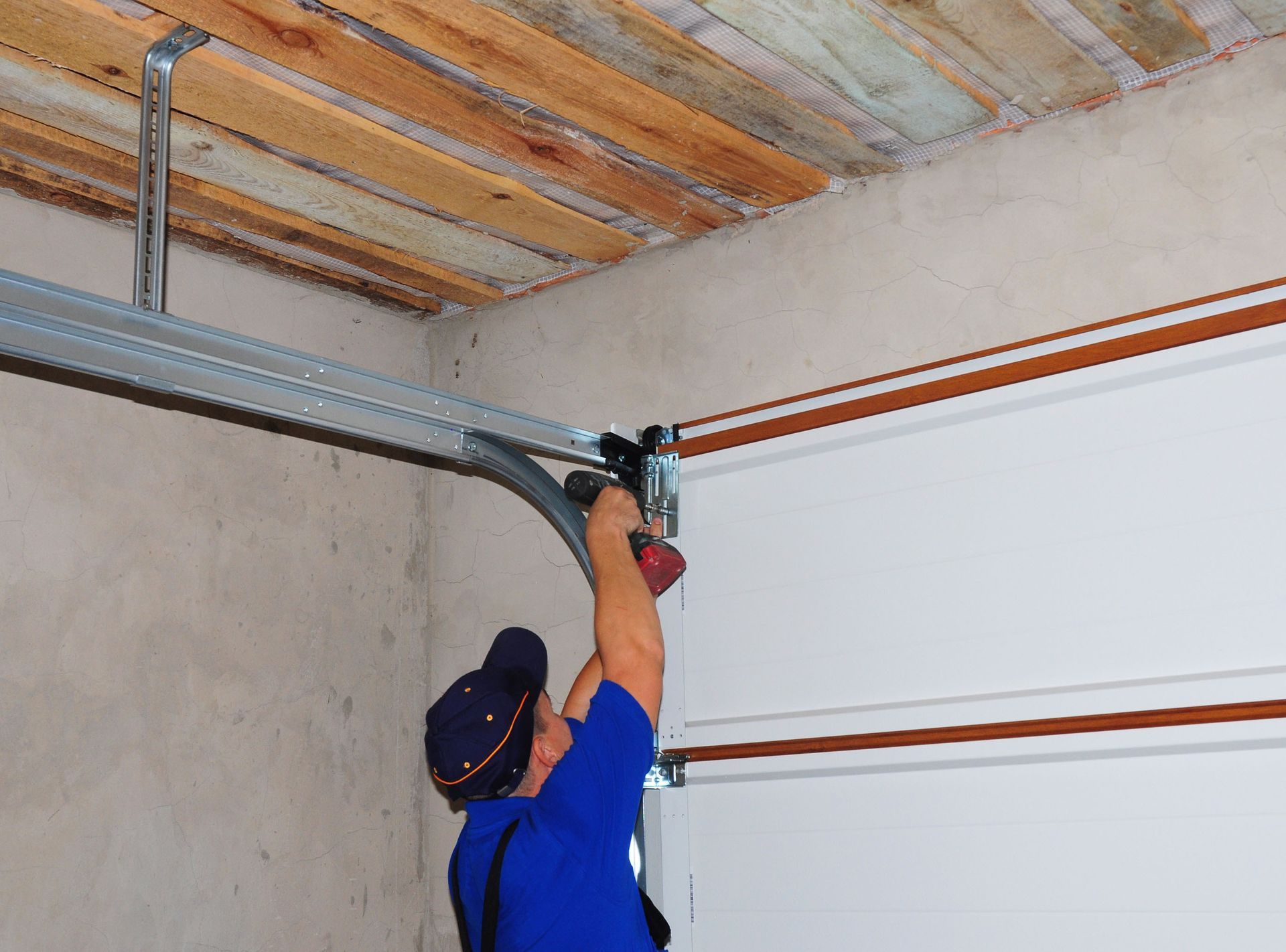
Garage door springs must be matched to the weight and design of the door they support. If a spring is incorrectly sized, it may not provide the appropriate balance, which can place additional strain on the system. Installation errors can also affect how the springs operate and how forces are distributed across the mechanism. A door that feels unusually heavy, closes too quickly, or does not remain balanced may have an underlying issue that requires professional attention. Spring selection involves more than choosing a component that looks similar to the existing one. The door's dimensions, weight, spring type, and operating requirements all influence which replacement part is suitable. Incorrect components may wear prematurely or contribute to unsafe operation. For these reasons, spring replacement and adjustments should be handled by a qualified garage door technician rather than attempted as a do-it-yourself project.
Maintaining Springs Through Regular Inspections
Routine maintenance can help identify developing issues before they lead to unexpected equipment failure. Homeowners should observe the garage door's movement and listen for unusual grinding, popping, or snapping sounds during normal operation. According to Men's Journal, garage door springs should be tuned up at least once a year. A professional tune-up can include checking the spring system and other relevant hardware for signs of wear, corrosion, or improper operation. Technicians can also assess whether the door appears balanced and whether related components need attention. Maintenance does not eliminate the possibility of a spring breaking, particularly when the component has reached the end of its expected service life. However, regular inspections can help reveal problems that might otherwise go unnoticed until the door stops working. Keeping a record of maintenance visits and repairs can also help homeowners track recurring issues and plan for future service.
Recognizing Warning Signs Before Spring Failure
Garage door springs sometimes show signs of trouble before they break completely. A door that suddenly feels heavier, opens only partway, or refuses to lift may have a spring problem. Homeowners may also notice a visible gap in a torsion spring, a crooked door, or a loud bang that sounds like something snapping. In some cases, the garage door opener may struggle because it is attempting to lift a door that is no longer properly balanced. Continued operation under these conditions can place additional strain on the opener and other hardware. If a broken garage door spring is suspected, stop operating the door and arrange professional service. Do not attempt to lift a heavy door manually or manipulate the spring, cables, or related components. Garage door springs store substantial mechanical energy and can cause serious injuries if handled incorrectly. Keeping people and pets away from the affected area until the system is inspected is a sensible precaution.
Preventing Additional Damage After Spring Failure
Once a spring breaks, the garage door system may no longer be able to support the door's weight correctly. Trying to operate the door repeatedly can place excessive strain on the opener and may damage cables, rollers, tracks, or other hardware. Disconnecting the opener or attempting an improvised repair is not a substitute for professional assessment, particularly when the door is stuck or partially open. Homeowners should keep the area clear and avoid touching the spring assembly. If a vehicle is trapped inside the garage, explain the situation to the service provider rather than trying to force the door open. A technician can inspect the complete system, identify related damage, and determine the appropriate replacement parts. Broken garage door spring repairs may also include checking the door's balance and testing its movement after the work is completed. Taking a cautious approach can help prevent further damage and reduce the risk of injury.
Scheduling Garage Door Service With Front Range Overhead Door & Service
Garage door springs can fail because of repeated use, age, corrosion, incorrect sizing, or installation problems. Paying attention to warning signs and arranging routine maintenance can help homeowners address potential issues before they interrupt everyday access to the garage. Because spring systems operate under significant tension, inspection, adjustment, and replacement should be left to qualified technicians. Front Range Overhead Door & Service can help homeowners address garage door concerns and determine the appropriate next steps when a spring shows signs of wear or failure. If your door becomes unusually heavy, moves unevenly, or makes a sudden snapping sound, stop using it and seek professional assistance. Contact us for broken garage door spring repairs and arrange service to help restore safe, reliable operation.