October 26, 2026
Garage doors play an important role in home security, convenience, and everyday access. Homeowners rely on them to protect vehicles, secure stored belongings, and provide a convenient entrance to the house. When a garage door suddenly stops working, a damaged spring is one possible cause. Recognizing the warning signs of broken garage door springs helps homeowners understand when professional service is necessary and why prompt attention matters.
Garage door springs support the weight of the door and help it move smoothly through opening and closing cycles. These components experience repeated tension throughout their service life, which eventually contributes to wear. When a spring breaks, the door can become difficult to operate and place additional strain on connected hardware.
Understanding how springs function, identifying signs of damage, and arranging professional repairs help homeowners address problems before they lead to further complications.
Understanding the Role of Garage Door Springs
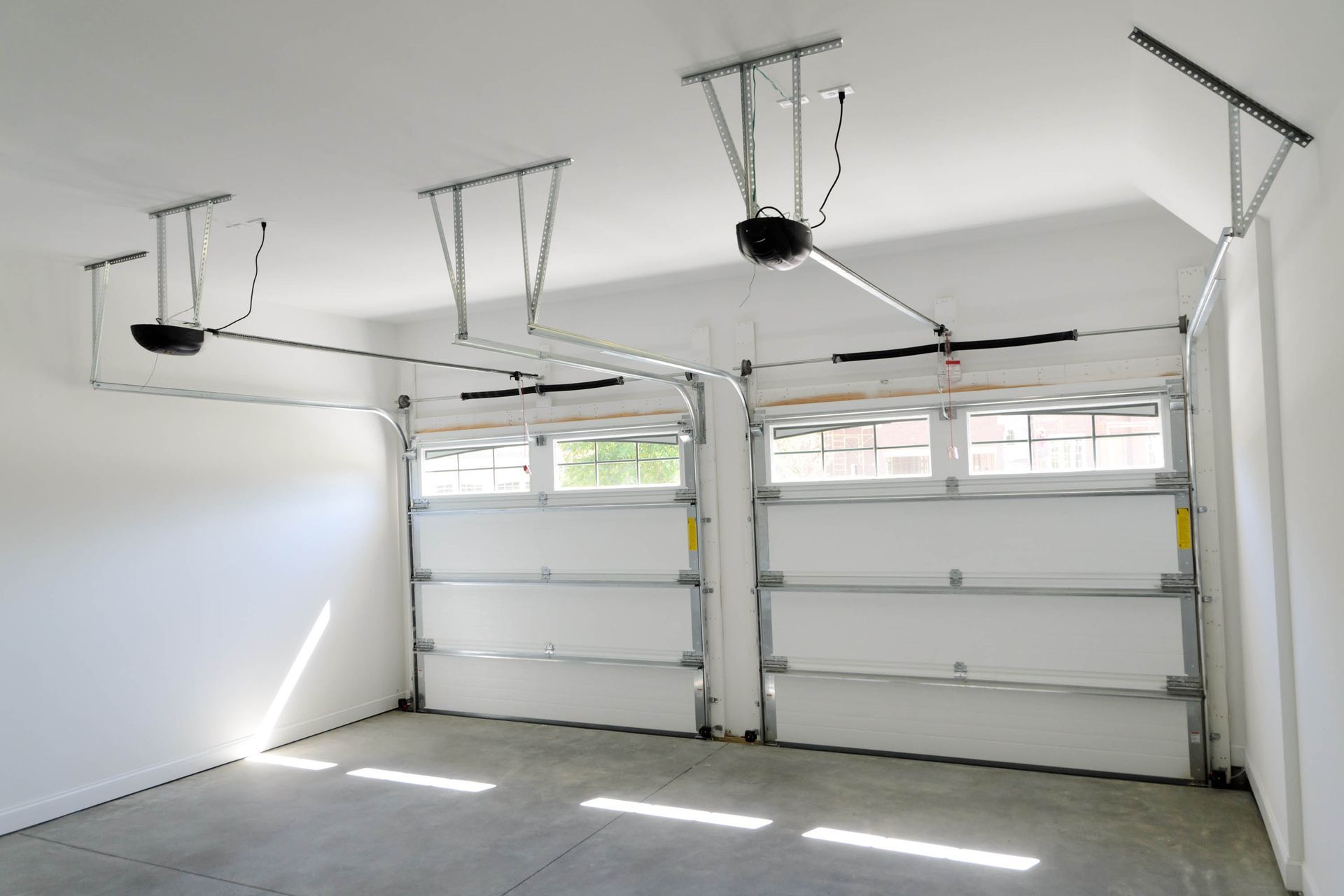
Garage door springs provide the force needed to counterbalance a door's weight. Without this support, the door would be much harder to lift, and the opener would face additional strain when attempting to move it. Springs work alongside cables, rollers, tracks, hinges, and the opener to support controlled door movement.
Most residential garage doors use either torsion springs or extension springs. Torsion springs sit on a shaft above the garage door opening and use twisting force to help lift the door. Extension springs are positioned along the horizontal tracks and stretch and contract as the door moves. Although the systems operate differently, both serve the same essential purpose of supporting the door's weight.
Spring components experience considerable mechanical stress during normal operation. Each opening and closing cycle contributes to wear, while the frequency of use influences how quickly that wear accumulates. A garage door used several times each day experiences more cycles than one opened only occasionally.
According to This Old House, garage door extension springs typically last between 7 and 12 years. Actual service life depends on factors such as usage, spring condition, and maintenance. A spring that has reached the end of its useful life can fail unexpectedly, making it important to recognize changes in garage door performance.
Recognizing the Signs of Spring Failure
A damaged spring often creates noticeable changes in how a garage door looks or operates. One of the clearest warning signs is a visible gap in a spring coil. Homeowners with torsion springs might notice a separation in the coil above the door, while extension spring damage can appear along the side tracks.
Other signs include a garage door that opens only partway, moves unevenly, or stops responding as expected. The door can also appear crooked during operation when its lifting system no longer distributes the load evenly. In some cases, a loud snapping sound occurs when a spring breaks. The sound can be startling, particularly when the failure happens while the door is not moving.
A garage door opener that struggles to lift the door also deserves attention. The opener is designed to work with the spring system, rather than carry the entire weight of the door without assistance. When a spring fails, the opener can strain against the added load or stop operating altogether.
These symptoms do not always indicate the same underlying problem. Damaged cables, worn rollers, track obstructions, or opener issues can also affect door movement. A professional inspection helps determine whether the spring system is responsible and identifies related problems that require attention.
Assessing the Risks of Operating a Damaged Door
A garage door with a broken spring presents safety concerns because the spring system no longer provides the necessary support. The door can feel unusually heavy, move unpredictably, or fail to remain in its intended position. Attempting to force it open or closed increases the risk of injury and additional damage.
The opener can also sustain unnecessary strain when it attempts to move a door without adequate spring assistance. Continued operation can affect the opener and connected components, increasing the scope of the repair. A door that becomes stuck can also interfere with access to vehicles, tools, and other belongings stored in the garage.
For these reasons, homeowners should avoid operating a door suspected of having a broken spring. Keep people and pets away from the affected area, and do not attempt to lift the door manually. Springs store substantial mechanical energy, and handling them without appropriate training and equipment can cause serious injury.
Professional service provides a safer way to address the issue. A trained technician can evaluate the door's condition, determine the cause of the failure, and recommend the appropriate repair. Leaving the door unused until it has been assessed helps reduce the risk associated with further operation.
Evaluating the Spring System and Related Components
Spring repair involves more than identifying a visibly damaged coil. The technician needs to assess the door's overall lifting system and confirm which components require attention. The type of spring, the door's weight, and the existing hardware all influence the repair requirements.
During an inspection, a technician can evaluate the springs, cables, pulleys, rollers, hinges, tracks, and opener connections. Damage in one area can affect the performance of another, so examining the related components helps establish a clearer picture of the door's condition.
The technician also determines which spring system the door uses and identifies the appropriate replacement specifications. Garage doors differ in size, construction, and weight, so replacement parts must suit the particular system. Using an unsuitable spring can interfere with balance and create operating problems.
When broken garage door springs are responsible for a door's failure, professional evaluation helps ensure that the repair addresses the actual cause rather than only the visible symptoms. The technician can explain the findings, discuss the necessary work, and provide an estimate before proceeding.
Planning Professional Spring Repair
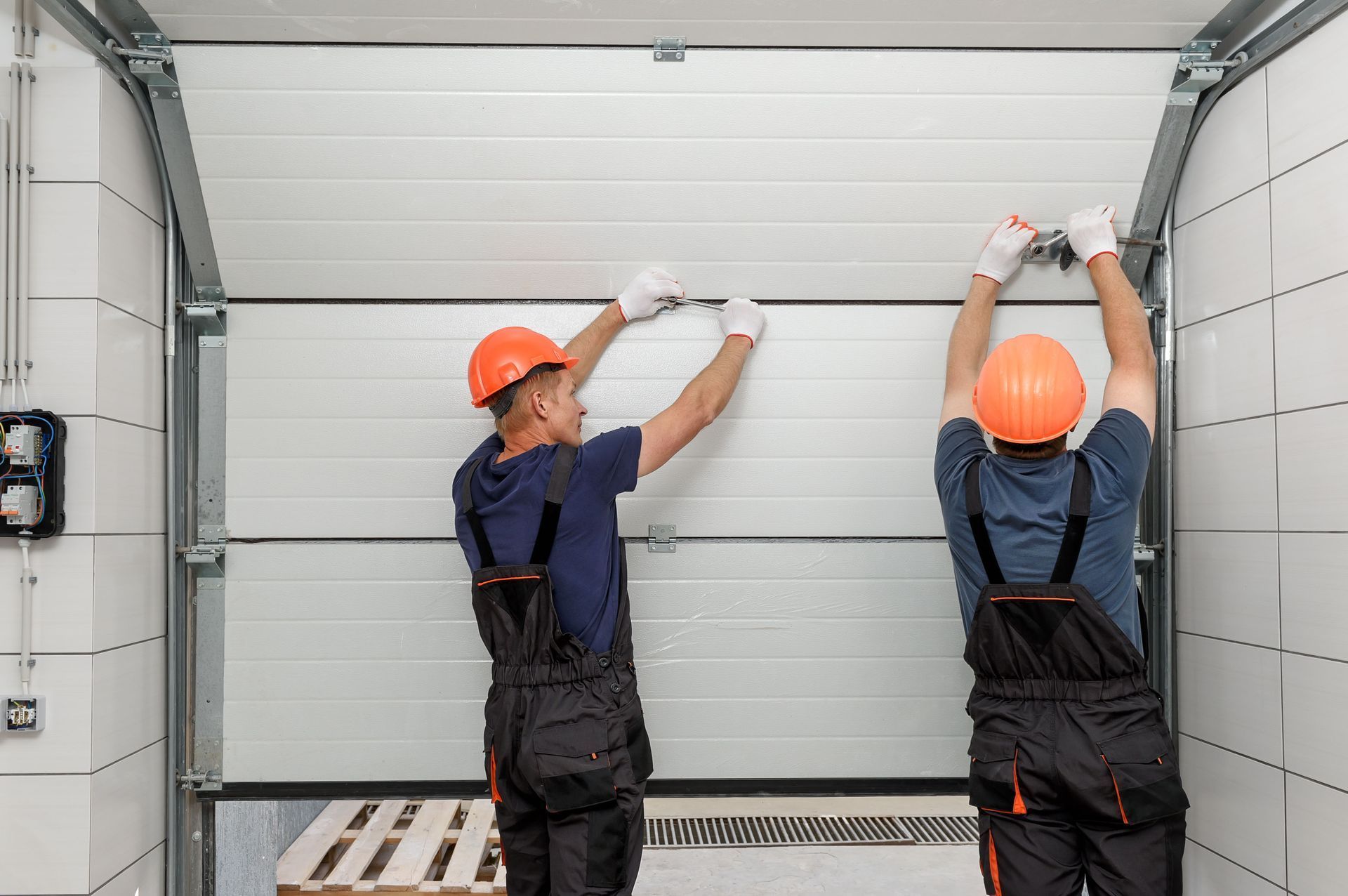
Professional spring repair begins with assessing the door and determining the correct course of action. Once the technician identifies the problem, the damaged components can be replaced with parts appropriate for the door's configuration. The work also involves checking the surrounding hardware for damage that affects safe and consistent operation.
Spring replacement requires specialized tools and knowledge because the components remain under significant tension. Incorrect handling can release stored energy suddenly, creating a risk of serious injury. Professional technicians have the equipment and training needed to manage this process and complete the repair according to the system's requirements.
After replacing a spring, the technician evaluates the door's balance and movement. The door should travel through its operating range without unusual resistance, uneven movement, or excessive strain on the opener. The technician can also inspect associated components and identify additional concerns that need to be addressed.
Homeowners should explain any unusual noises, changes in movement, or recent operating problems when arranging service. These details provide useful context for the inspection and help the technician understand when the problem began. Clear communication also helps homeowners understand the recommended work and the condition of their garage door system.
Preventing Unexpected Spring Problems Through Maintenance
Routine maintenance helps homeowners monitor garage door condition and recognize developing problems. Although maintenance cannot prevent every spring failure, regular professional inspections help identify wear, damaged hardware, and operating issues that deserve attention, including early signs of broken garage door springs.
A maintenance appointment provides an opportunity to assess the springs, cables, rollers, tracks, hinges, and opener. A technician can identify components that require service and explain whether replacement is appropriate based on their condition. Addressing worn or damaged hardware helps support the performance of the complete garage door system and helps identify broken garage door springs before further issues develop.
Homeowners can also pay attention to changes during everyday operation. Unusual noises, uneven movement, delayed opening, or a door that struggles to close can signal a developing issue. These changes deserve professional evaluation rather than repeated attempts to operate the door, especially when broken garage door springs are suspected.
Routine maintenance supports ongoing garage door performance by identifying wear and potential problems before they become more disruptive. For professional assistance, contact Front Range Overhead Door & Service to request an estimate for garage door spring repair in Larimer County and surrounding areas.